One of the questions I get asked most often is: "How do you plan your shoots?" The answer might surprise you — most of the time, I don't plan them the way people expect. The best shots I've ever taken came from a feeling, not a spreadsheet.
But there's a difference between intuitive and unprepared. Behind every seemingly effortless photo is a set of decisions I've learned to make quickly and consistently over time.
Finding the Right Location
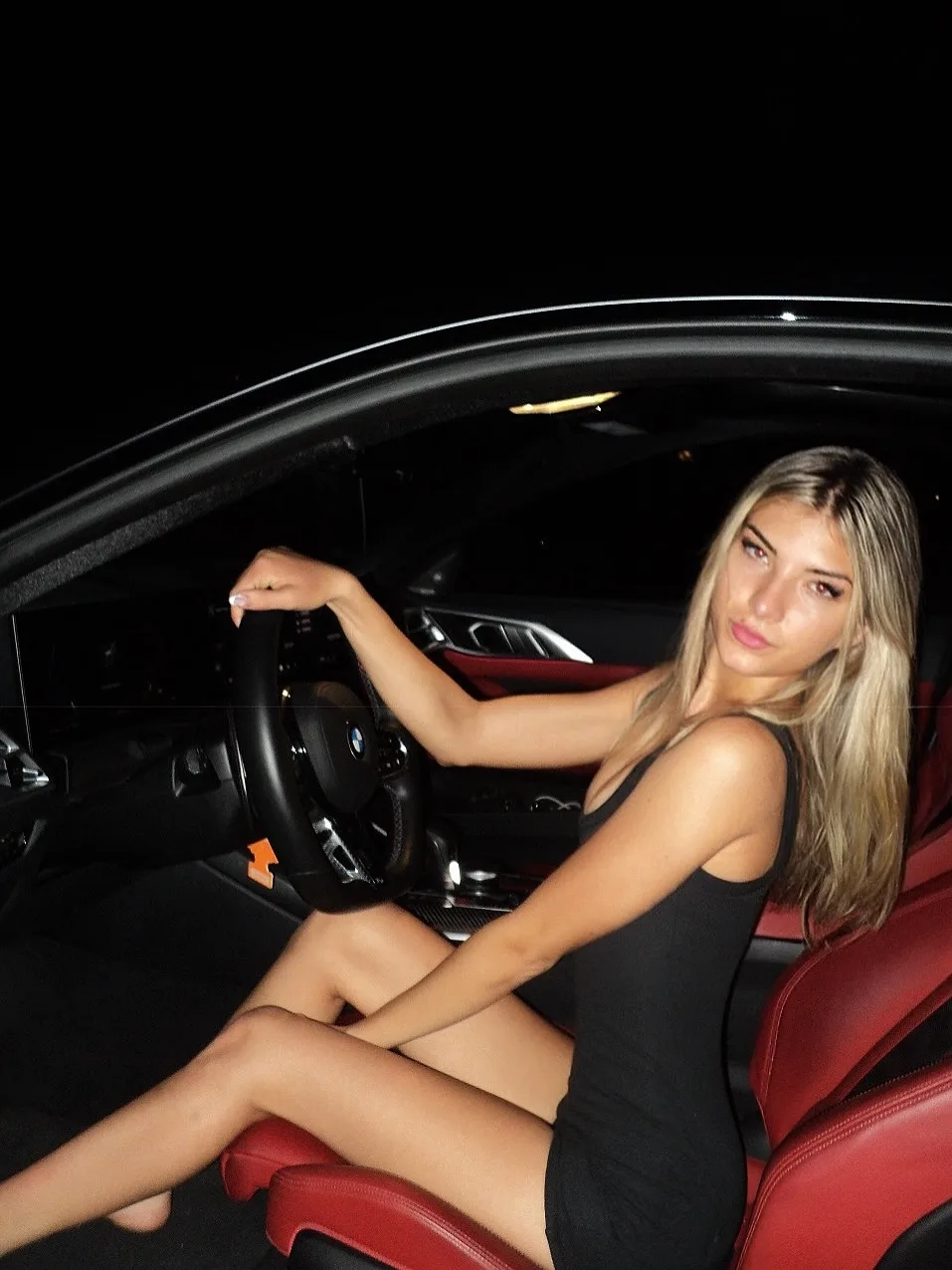
Location is everything. Light bounces differently in every environment — a white wall gives you even, reflective light that flatters the subject. An outdoor setting near water adds movement and depth. A car interior at night creates drama and contrast.
When I'm in a new city, I scout on foot before I ever lift a camera. I look for interesting shadows, unusual backgrounds, surfaces that will interact with the light in ways I haven't seen before. The beach, the poolside, the parking structure at midnight — every environment has its own aesthetic grammar, and learning to read it is what separates a good photo from a great one.
Light Is Everything
I shoot at golden hour whenever possible — that warm, directional light about an hour after sunrise or before sunset does things for skin tones and textures that no filter can replicate. When I have to shoot in harsher conditions, I use reflectors or position myself to use the shade as a natural diffuser.
For indoor and night shoots, I've learned to embrace the drama. Low light isn't a problem — it's a tool. Some of my most popular content has been shot in conditions that most people would consider too dark.
The Role of Wardrobe
I think carefully about clothing in relation to the setting. A bold, saturated color (hot pink, red, orange) pops beautifully against neutral backgrounds. Neutrals (black, white, beige) let the environment and the subject's features carry the visual weight. I try to avoid competing the outfit with the location — one of them should lead, and the other should support.
Shooting Solo vs. With a Photographer
I do a significant amount of my content alone, which means becoming comfortable directing yourself — setting up the shot, pressing the shutter timer, evaluating the result, adjusting, repeating. It builds a kind of creative self-reliance that I think is essential for any creator who wants long-term independence.
When I work with a photographer, the dynamic shifts entirely. It becomes a conversation. The best photographers I've worked with are the ones who listen before they lead.
Post-Processing: Staying Consistent
My edit style is minimal. I correct exposure and color temperature first, then apply a light skin tone adjustment, then sharpen selectively. I avoid heavy filters because trends change and I want my content to age well. The goal is always to look like a better version of reality — not a different one.
Consistency in editing is what creates a cohesive visual brand. When someone scrolls your feed, the photos should feel like they belong to the same world even if they were shot months apart in different countries.